Introduction
Electronics are the backbone of our modern world. Yet, behind every powerful device lies a less glamorous, but equally crucial, component: the printed circuit board (PCB). The debate between Ceramic Circuit Boards and Traditional PCBs is reshaping industries, as the choice can dictate the performance, longevity, and success of an application. Whether you’re a designer crafting high-frequency PCB devices or an engineer seeking superior heat resistance, understanding the differences between these two technologies is essential. Let’s dive into the battle of Ceramic Circuit Boards versus Traditional PCBs and uncover what sets them apart.
What Are Ceramic Circuit Boards?
Composition and Materials
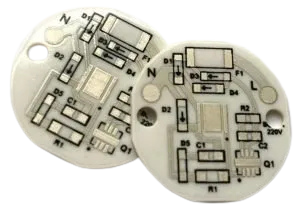
Ceramic circuit boards are made using high-performance ceramic substrates like alumina (Al2O3) or aluminum nitride (AlN). These materials boast exceptional thermal conductivity, electrical insulation, and mechanical stability. Unlike traditional PCBs that rely on fiberglass-based laminates like FR4 PCB, ceramic boards are sintered, creating a monolithic structure that can withstand extreme environments.
Unique Advantages
- Thermal Conductivity: Ceramic PCBs efficiently dissipate heat, making them ideal for high-power devices like LEDs and power transistors.
- Environmental Resistance: These boards remain unyielding under intense heat, moisture, and corrosive conditions.
- Compact Design: Their higher density allows for miniaturized circuits, reducing the size and weight of devices.
What Are Traditional PCBs?
Standard Construction
Traditional PCBs typically use FR4 (fiberglass-reinforced epoxy) as a substrate, layered with copper traces for electrical connectivity. This type of board dominates the consumer electronics market due to its cost-effectiveness and versatility.
Strengths
- Affordable Manufacturing: Mass production keeps costs low for standard applications.
- Widespread Compatibility: Suitable for most low to medium-performance devices, such as smartphones and household electronics.
- Adaptable Designs: Available in rigid, flexible, or metal-core variations.
Key Differences Between Ceramic and Traditional PCBs
1. Thermal Performance
Ceramic PCBs outshine their traditional counterparts in thermal conductivity, typically reaching 170–300 W/mK compared to FR4’s meager 0.3–0.4 W/mK. This makes them indispensable for applications where heat management is critical, such as automotive circuit boards, aerospace electronics, and high-frequency PCB designs.
2. Durability and Resistance
Ceramic boards resist high temperatures, vibrations, and chemical exposure far better than FR4-based PCBs. While traditional PCBs degrade under harsh conditions, ceramic options thrive, ensuring reliability in extreme environments.
3. Manufacturing Complexity
Traditional PCBs benefit from established, cost-efficient production methods. Ceramic PCBs, however, involve advanced processes like Low-Temperature Co-Fired Ceramics (LTCC), leading to higher initial costs but unparalleled precision and durability.
4. Application Suitability
- Ceramic PCBs: Optimal for high-frequency, high-temperature, or high-reliability applications such as RF modules and 5G technology.
- Traditional PCBs: Best for consumer-grade electronics and low-cost devices.
Applications of Ceramic Circuit Boards
Aerospace and Defense
In environments where extreme temperatures and vibrations are constant challenges, ceramic PCBs excel. They power critical systems like radar and missile guidance.
Automotive Industry
Ceramic boards are commonly found in EV powertrains and advanced driver-assistance systems (ADAS) due to their reliability and heat resistance.
Medical Devices
Precision and durability make ceramic PCBs a top choice for medical imaging equipment, surgical tools, and wearable health monitors.
LED Lighting
Ceramic PCBs keep LEDs cool, prolonging their lifespan and improving efficiency, especially in high-power applications.
Applications of Traditional PCBs
Consumer Electronics
From smartphones to gaming consoles, traditional PCBs dominate this sector, offering cost-effective solutions for large-scale production.
Industrial Equipment
Devices that don’t operate in extreme environments benefit from the affordability and flexibility of traditional PCBs.
When to Choose Ceramic Circuit Boards
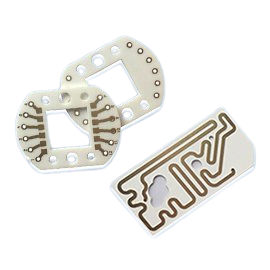
Choose ceramic PCBs if your application requires:
- Unmatched thermal management.
- Resistance to extreme environmental conditions.
- Miniaturization for high-density circuits.
Conclusion
The choice between Ceramic Circuit Boards and Traditional PCBs isn’t one-size-fits-all. Each serves unique needs, with ceramic PCBs standing out in high-performance, critical applications, while traditional PCBs remain the go-to for cost-effective, everyday electronics. By understanding the strengths and limitations of each, engineers and designers can make informed decisions that elevate their projects to new heights. Whether it’s reliability under pressure or affordability at scale, the right PCB can transform your vision into reality.