Why PCB FR-4 Is the Industry Standard for Circuit Boards
The world of modern electronics is powered by precision, innovation, and reliability. At the heart of countless devices lies a material that has quietly become indispensable—PCB FR-4. From the sleek smartphones we rely on daily to advanced medical equipment that saves lives, FR-4 material has established itself as the backbone of printed circuit boards manufacturing.

Why is FR-4 laminate so integral? Its blend of mechanical strength, thermal resistance, and electrical insulation properties makes it the ultimate choice for circuit boards. Imagine a glass-reinforced epoxy material that can withstand extreme temperatures, handle rapid data transfers, and resist electrical leakage while being cost-effective and easy to produce. It also complies with the UL94-V0 standard, ensuring flame retardancy and safety during operation.
In PCB manufacturing, FR-4 is used for single-layer PCBs, double-layer PCBs, and even multilayer PCBs designed for high-frequency PCBs. The advanced PCB stack-up configurations supported by this material ensure reliability and enhanced performance. Whether it’s the robust durability demanded by aerospace systems or the precision needed for modern electronics, PCB FR-4 consistently delivers.
What Makes PCB FR-4 Unique?
Properties of FR-4 Material
The exceptional properties of FR-4 material have made it a universal standard for PCB manufacturing:
- Electrical Insulation: FR-4 offers excellent resistance to electrical current, ensuring the safe operation of devices by preventing electrical leakage.
- Thermal Resistance: With its high tolerance for extreme temperatures, FR-4 performs reliably in both high-heat and low-temperature environments.
- Flame Retardancy: Compliant with the UL94-V0 standard, FR-4 is a flame retardant material, ensuring safety during both manufacturing and operation.
- Mechanical Strength: The glass-reinforced epoxy structure provides high durability, making it suitable for devices exposed to physical stress.
Versatility in PCB Types
FR-4 is adaptable to various PCB configurations, including:
- Single-Layer PCBs: Ideal for simple electronics like remote controls.
- Double-Layer PCBs: Common in more complex devices such as household appliances.
- Multilayer PCBs: Essential for advanced technologies like servers and high-frequency PCBs used in 5G technology and RF PCB applications.
Advantages of PCB FR-4 in Electronics
Cost-Effectiveness and Availability
One of the standout features of FR-4 material is its affordability. Compared to alternatives like PTFE substrates or ceramic-filled substrates, FR-4 offers a balance between cost and performance. Its widespread use has also made it readily available, reducing lead times in PCB manufacturing processes.
Durability and Longevity
FR-4’s robust mechanical properties ensure that devices maintain their integrity over time. Whether it’s a consumer gadget or industrial equipment, the glass-reinforced epoxy structure guarantees resistance to wear and tear.
Superior Performance
From high-frequency PCBs to PCB stack-up designs, FR-4 provides excellent signal integrity and thermal stability. This makes it ideal for advanced electronics where performance and reliability are critical.
Applications of PCB FR-4
Consumer Electronics
From smartphones to wearables, PCB FR-4 is ubiquitous in consumer electronics. Its ability to support compact designs while maintaining durability makes it the go-to choice for manufacturers.
Automotive Electronics
In vehicles, FR-4 is used in components such as engine control units and sensors. Its flame retardant properties and ability to withstand extreme temperatures make it indispensable in the automotive industry.
Medical Devices
FR-4 is integral to medical electronics like diagnostic tools and portable monitors. Its electrical insulation and reliability ensure these devices operate flawlessly in critical applications.
High-Frequency Applications
FR-4 supports a range of microwave PCB and RF PCB designs, which are essential in modern wireless communication and satellite systems.
Comparing FR-4 to Alternative Materials
FR-4 vs. Polyimide
While polyimide PCBs offer higher thermal resistance, they are significantly more expensive. FR-4 provides a cost-effective alternative for applications that do not require extreme heat tolerance.
FR-4 vs. Metal-Core PCBs
Metal-core PCBs excel in heat dissipation, making them suitable for LED applications. However, FR-4 remains the preferred choice for most other applications due to its versatility and cost advantages.
FR-4 vs. Advanced Materials
Materials like PTFE substrates and ceramic-filled substrates are often chosen for high-frequency applications, but FR-4 remains a competitive option for general-purpose electronics due to its balance of performance and affordability.
Innovations in FR-4 PCB Manufacturing
Advanced Fabrication Techniques
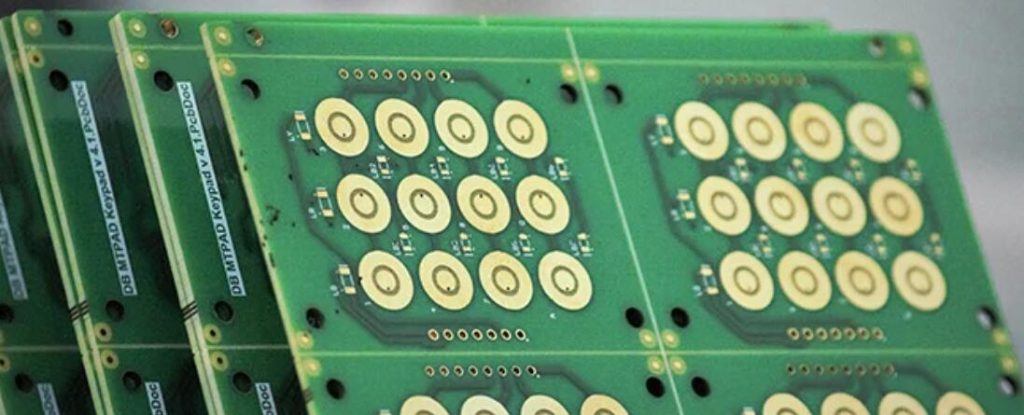
The evolution of PCB manufacturing has led to innovations like laser drilling and automated assembly. These advancements have improved the precision and efficiency of producing FR-4-based printed circuit boards.
Environmentally Friendly Options
Manufacturers are developing halogen-free and lead-free FR-4 materials to meet sustainability goals. These eco-friendly variants maintain the performance standards of traditional FR-4 while reducing environmental impact.
Challenges and Future Trends
Limitations of FR-4
Conclusion
PCB FR-4 has earned its place as the industry standard for circuit boards. With its unmatched blend of mechanical strength, thermal resistance, and electrical insulation, it supports a wide range of applications from consumer electronics to industrial equipment. Its cost-effectiveness and versatility make it indispensable in PCB manufacturing, ensuring it remains at the forefront of innovation for years to come. For any project requiring durable, reliable, and efficient circuit boards, PCB FR-4 is the ultimate choice.